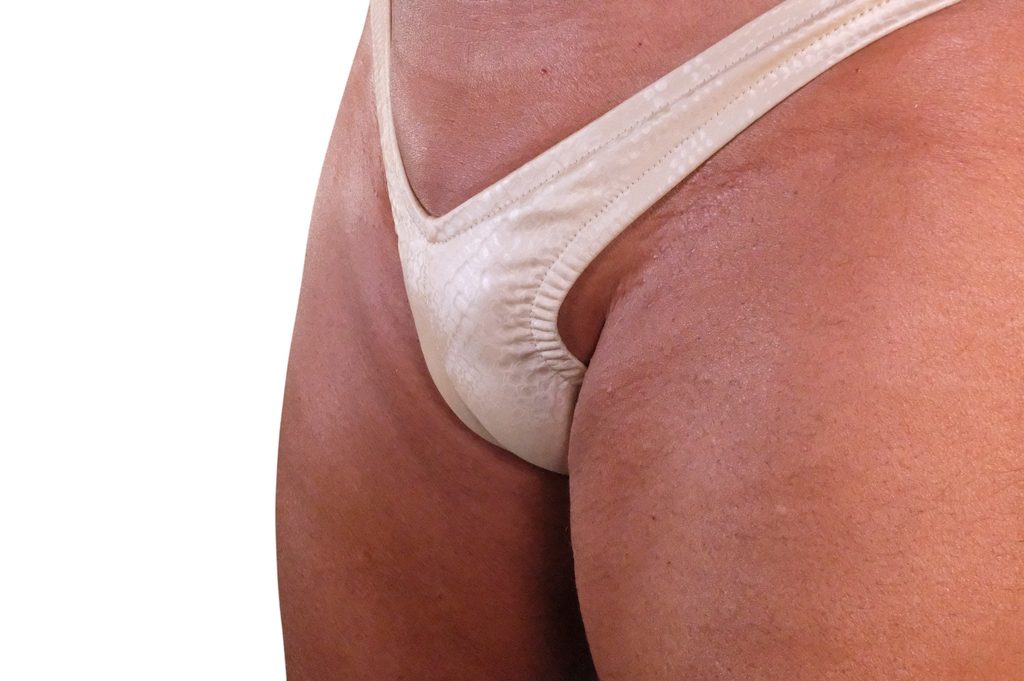
Male to Female Transformation: Penis to Vagina — Exploring Feminine Appearance, MTF Swimwear, Tucking, Feminizers, and Gender-Affirming Surgery
From Creating the Appearance of a Vagina with Specialized Clothing to Understanding Permanent Surgical Transformation
For some people, the idea of transforming the appearance of male genitalia into a feminine silhouette is fascinating, exciting, deeply personal, or emotionally meaningful.
Some have imagined what they would look like with female anatomy for years. Others discover an interest in feminine presentation after trying on women’s clothing, panties, bikinis, or specialized male-to-female transformation swimwear.
For a transgender woman, creating a feminine genital appearance may help her feel more comfortable with her body.
For someone who identifies as gender-fluid, it may provide an opportunity to express a feminine side without making permanent physical changes.
And for some men who enjoy crossdressing or feminization, the experience is primarily about fashion, appearance, and the enjoyment of looking different.
The reasons vary enormously, but the possibilities are more extensive than many people realize.
Today, specialized MTF swimsuits, tucking underwear, smooth-front panties, sculpted camel-toe designs, and feminine-contouring accessories can temporarily change the visible appearance of external genitalia.
For transgender women who want permanent anatomical changes, gender-affirming surgical procedures offer additional possibilities.
These approaches are fundamentally different.
A transformation swimsuit can create the appearance of female external anatomy, but it does not physically convert a penis into a vagina. Surgery can reconstruct genital anatomy, although the results, functions, risks, and recovery depend on the procedure.
Understanding the difference is an important starting point for anyone interested in male-to-female transformation.
What Does Penis-to-Vagina Transformation Actually Mean?
The phrase penis-to-vagina transformation can describe several different goals.
Some people want their genital area to look feminine beneath clothing.
Others want the visible appearance of a vulva while wearing a bikini or thong.
Some prefer a smooth, flat front without any pronounced genital contour.
And some transgender women want permanent genital reconstruction through surgery.
These goals do not all require the same approach.
It is also helpful to understand the anatomical terminology.
The vulva refers to the external genital structures, including the labia and clitoris.
The vagina is the internal canal extending inward from the vaginal opening.
A swimsuit that creates a camel-toe contour or simulated labia is therefore creating the appearance of a vulva, not an actual vagina.
This distinction matters because clothing-based transformations and surgical reconstruction have very different capabilities.
For many people, the visual effect created by specialized swimwear is exactly what they want.
Others are interested in exploring more permanent changes.
And some enjoy experimenting with feminine presentation without wanting to alter their anatomy at all.
The First Step: Discovering How You Want to Look
Before exploring transformation methods, consider what appearance you want to achieve.
Would you like a completely smooth front beneath your clothing?
Do you prefer a feminine bikini with no visible masculine bulge?
Are you interested in a sculpted camel-toe appearance that resembles external female anatomy?
Would you like to wear feminine panties and leggings without a pronounced genital outline?
Or are you exploring the possibility of permanent genital reconstruction?
There is no requirement to know the answers immediately.
Someone who begins by experimenting with MTF swimwear may discover that clothing-based transformation provides everything they want.
Another person may find that feminine presentation helps them better understand their gender identity.
And someone else may eventually decide to pursue medical transition.
Enjoying the appearance of a vulva does not automatically mean you are transgender or that you want surgery.
A man can enjoy feminine presentation while continuing to identify as male.
A gender-fluid person may appreciate changing between different appearances.
And a transgender woman may want to create a feminine silhouette without undergoing genital surgery.
The important thing is having choices.
MTF Transformation Swimwear: Creating a Feminine Appearance Without Surgery
One of the most accessible ways to explore feminine genital appearance is through specialized male-to-female transformation swimwear.
Unlike conventional men’s swimsuits, which generally accommodate or emphasize male anatomy, MTF designs are intended to create a more feminine silhouette.
Some minimize the visible outline of the penis.
Others incorporate sculpted panels that simulate external female genital contours.
Certain designs accommodate tucking, while others use supportive construction to create a feminine appearance without a traditional tuck.
For people who enjoy experimenting with gender presentation, these swimsuits can be remarkable.
A person can put on a bikini, look in the mirror, and see a dramatically different silhouette.
The transformation is temporary.
It doesn’t require medication.
It doesn’t involve surgery.
And the wearer can return to their usual appearance whenever they choose.
For many people, that flexibility is the greatest attraction.
Smooth-Front MTF Swimsuits: Making the Male Bulge Disappear
Smooth-front transformation swimsuits are among the most popular concepts in feminine-contouring swimwear.
Their purpose is to reduce the visible projection of male genitalia beneath the fabric.
Traditional men’s swimwear usually includes a pouch that accommodates the penis and scrotum.
A smooth-front MTF design takes a different approach.
It uses carefully shaped fabric, supportive panels, and sometimes compression to create a flatter appearance.
The result can resemble the front of a conventional women’s bikini.
For someone who has always wanted to wear feminine swimwear without a visible masculine bulge, the difference can be exciting.
Imagine putting on a small black bikini and looking down.
Instead of the familiar outline of a traditional male pouch, you see a smooth front.
You turn sideways and notice that the swimsuit creates a softer silhouette.
Perhaps you feel beautiful.
Maybe you feel more comfortable.
Or perhaps you simply enjoy the unusual appearance.
For some people, this experience is a form of gender affirmation.
For others, it is an enjoyable way to experiment with feminine fashion.
Both experiences are valid.
Camel-Toe Transformation Swimsuits: Creating the Appearance of a Vulva
Smooth-front swimsuits create a flat silhouette, but some people want a more distinctly feminine anatomical appearance.
That’s where camel-toe transformation designs become interesting.
These swimsuits use specialized construction to simulate the external contours of a vulva beneath the fabric.
Depending on the design, the effect may be subtle or pronounced.
Some create a gentle central contour.
Others use sculpted shaping to produce a more defined appearance resembling the labia.
The visual result can be dramatically different from a conventional male swimsuit.
For someone who has imagined having female external anatomy, seeing that contour can be a meaningful experience.
It may also be enjoyable simply as an unusual fashion effect.
The important distinction is that the swimsuit creates a visual simulation.
It does not create a vaginal opening, change reproductive anatomy, or permanently alter the genitals.
The effect exists only while the garment is worn.
And for many people, that’s exactly the appeal.
Exposed-Vulva Illusion Designs: Understanding the Difference Between Appearance and Anatomy
Some specialty transformation garments are marketed as creating an exposed-vulva appearance.
These products may use shaped materials, prosthetic components, or carefully constructed openings to simulate external female anatomy.
The term can be confusing.
A prosthetic or sculpted garment may create a visual illusion of female genitalia, but it does not transform the underlying anatomy.
Some designs may also leave parts of the wearer’s actual anatomy exposed.
That distinction is especially important when considering where such garments can be worn.
A product marketed as a swimsuit is not automatically suitable for a public beach or swimming pool.
Public-nudity rules, venue policies, garment coverage, and the security of the design all matter.
For public swimming, properly fitted garments that provide appropriate coverage and support are generally the more practical choice.
Specialty illusion designs may be better suited to private settings or appropriate adults-only venues.
Tucking: Another Way to Create a Feminine Silhouette
Tucking is a technique some people use to reduce the visible outline of external genitalia beneath clothing.
It is particularly common among transgender women, drag performers, and others who prefer a smoother front appearance.
Specialized tucking underwear and swimwear can provide support while helping create a flatter silhouette.
However, tucking is not required for feminine presentation.
Some people prefer swimsuits with built-in shaping that do not require a traditional tuck.
Others are comfortable with a visible bulge.
And some prefer loose or layered clothing.
For those who choose to tuck, comfort and safety are essential.
Excessive pressure can cause pain, skin irritation, numbness, swelling, or circulation problems.
Forcing anatomy into uncomfortable positions is not appropriate.
A garment should never interfere with urination or cause persistent discomfort.
If pain, numbness, swelling, or discoloration occurs, the garment or tuck should be released promptly.
For beginners, properly fitted supportive underwear is generally a better starting point than aggressive compression or restrictive accessories.
FuFu Clips, Flying-V Feminizers, and Other Transformation Accessories
Some people exploring MTF appearance become interested in specialized feminine-contouring accessories, including products marketed as FuFu Clips or Flying-V Feminizers.
These accessories are intended to temporarily alter the visible arrangement or outline of external genitalia.
Some are designed to be worn with specialized panties or swimwear.
Others are marketed for private experimentation with feminine presentation.
Their appeal is understandable.
A person who enjoys the appearance of a smooth-front swimsuit may become curious about more elaborate visual transformations.
However, these devices require particular caution.
Products that clamp, compress, reposition, or hold sensitive genital tissue can create pressure injuries, trapped skin, impaired circulation, or nerve irritation.
There is limited independent clinical evidence establishing the safety of many specialty feminizing accessories.
They should not be treated as medical devices or as proven methods for safe long-term anatomical reshaping.
Any device that causes pain, numbness, swelling, discoloration, or difficulty urinating should be removed promptly.
A device that cannot be removed easily can become a medical emergency.
For most beginners, nonrestrictive feminine clothing, supportive tucking garments, and swimsuits with external shaping offer a more straightforward introduction to feminine appearance.
MTF Panties: Experiencing a Feminine Appearance Every Day
Swimwear isn’t the only clothing that can create a feminine genital silhouette.
Specialized MTF panties provide similar possibilities for everyday wear.
Some feature smooth-front construction.
Others incorporate shaping panels or are designed to accommodate a tuck.
Certain designs simulate feminine external contours.
For someone who enjoys feminine presentation, these garments can be particularly appealing because they can be worn beneath ordinary clothing.
A person might choose smooth-front panties under jeans, shorts, or leggings.
The result may be a less prominent masculine outline.
For some, that creates a sense of comfort.
For others, it is simply an enjoyable fashion preference.
The advantage is that feminine presentation can become part of everyday life rather than something reserved for the beach.
Spandex Leggings and the Feminine Silhouette
Fitted spandex leggings are another interesting part of gender-expression fashion.
Because leggings follow the contours of the body, the underwear worn beneath them can significantly influence the visible silhouette.
Traditional male underwear may create a pronounced front.
Smooth-front MTF panties can produce a more understated appearance.
And specialized shaping garments may create a feminine contour.
For people interested in experimenting with gender presentation, combining fitted leggings with different underwear styles can be revealing.
They can see how clothing construction changes the way their body appears.
Some prefer a masculine silhouette.
Others enjoy a feminine appearance.
And some like being able to change between the two.
Spandex makes these differences particularly noticeable because the fabric closely follows the body’s shape.
Gender-Fluid Transformation: Masculine One Day, Feminine the Next
Not everyone interested in penis-to-vagina visual transformation wants a permanent change.
Some people enjoy moving between different gender presentations.
A gender-fluid person may prefer a masculine appearance on certain days and a feminine appearance on others.
Someone who identifies as male may enjoy wearing an MTF swimsuit occasionally while remaining comfortable with his male identity.
And a transgender woman may use specialized clothing to create a feminine silhouette without wanting genital surgery.
This flexibility is one of the most appealing aspects of temporary transformation garments.
A person can wear a conventional masculine bikini one day.
A smooth-front MTF thong the next.
And a sculpted camel-toe swimsuit another time.
There is no requirement to choose one appearance permanently.
Clothing-based transformation allows people to explore how they want to present themselves without changing their underlying anatomy.
What Does It Feel Like to See Yourself with a Feminine Genital Appearance?
For some people, the first experience of seeing themselves with a feminine genital silhouette is surprisingly emotional.
Imagine someone who has spent years wondering what they would look like without a visible penis.
They purchase their first MTF transformation swimsuit.
When it arrives, they carefully put it on.
They adjust the fabric and stand in front of the mirror.
For the first time, the front of their swimsuit resembles a feminine bikini rather than a conventional men’s design.
They look down.
They turn sideways.
They look again.
And they smile.
Perhaps they experience excitement.
Maybe they feel a sense of relief.
Or perhaps they simply appreciate the appearance.
Some people describe these positive feelings as gender euphoria.
Gender euphoria refers to happiness or affirmation associated with one’s gender identity or expression.
Not everyone who enjoys feminine transformation experiences gender euphoria, and the feeling does not automatically establish a particular gender identity.
But for those who do experience it, the moment can be meaningful.
A swimsuit may provide a new way of seeing themselves.
And that can encourage further exploration.
Does Wanting a Vagina Mean You Are Transgender?
Not necessarily.
People can be interested in female anatomy or feminine presentation for many different reasons.
Some transgender women want genital reconstruction because it aligns with their gender identity and personal goals.
Others do not want surgery.
Some gender-fluid individuals enjoy temporary feminine presentation.
Some men are curious about what they would look like with female anatomy but have no desire to transition.
And some people enjoy feminine clothing primarily as a form of fashion or personal expression.
Gender identity cannot be determined by a single clothing preference or fantasy.
If you’re questioning your gender, you can take time to explore your feelings.
You might experiment with clothing, hairstyles, names, or pronouns.
You may find it helpful to speak with a qualified gender-affirming mental health professional.
The purpose of exploration is not to force yourself toward a predetermined conclusion.
It’s to understand what feels authentic and comfortable for you.
Permanent Penis-to-Vagina Transformation: Understanding Vaginoplasty
For some transgender women and other eligible patients, temporary feminine appearance is not enough to meet their goals.
They may want permanent genital reconstruction.
One surgical option is gender-affirming vaginoplasty.
Vaginoplasty involves reconstructing genital anatomy to create a vulva and, when desired and medically appropriate, a vaginal canal.
There are several surgical approaches.
One established technique is penile-inversion vaginoplasty, in which penile and other available genital tissues are used to create parts of the reconstructed anatomy.
Other techniques may use additional tissue, including skin grafts or tissue from the abdominal lining, depending on the patient’s anatomy, surgical history, and the surgeon’s approach.
These procedures require specialized surgical expertise.
They also involve significant recovery, ongoing care, and potential complications.
Vaginoplasty is not simply a matter of removing the penis.
It is complex reconstructive surgery intended to create functional and aesthetically appropriate genital anatomy.
What Happens to the Penis During Vaginoplasty?
This is one of the most common questions people have about male-to-female genital surgery.
During many forms of vaginoplasty, tissue from the penis is preserved and repurposed to construct parts of the vulva and vaginal canal.
The glans contains sensitive nerve structures, and a portion may be used to create a clitoris while preserving its nerve supply.
Other tissues may be used to construct the labia and vaginal lining.
The urethra is repositioned and shortened to accommodate the reconstructed anatomy.
The testes are generally removed as part of full-depth vaginoplasty when they have not already been removed.
The exact surgical steps vary by technique and patient.
Importantly, the goal is not merely visual transformation.
Surgeons also consider sensation, urinary function, tissue health, and long-term outcomes.
Can a Surgically Created Vagina Function Like a Natal Vagina?
A surgically constructed vagina can provide several important functions, but it is not anatomically identical to a vagina present from birth.
Depending on the procedure and outcome, patients may have a vaginal canal suitable for receptive penetration.
Many retain erotic sensation and can experience orgasm.
However, outcomes vary.
A surgically created vagina does not include a uterus, ovaries, or cervix.
It does not menstruate or provide the ability to become pregnant.
Lubrication also depends on the surgical technique and individual circumstances.
Some reconstructed vaginal canals require additional lubrication.
Others may have different moisture characteristics depending on the tissue used.
Full-depth vaginoplasty generally requires a postoperative dilation program to maintain canal depth and width.
The duration and frequency of dilation depend on the surgeon’s instructions and individual healing.
These are important considerations for anyone contemplating surgery.
Vulvoplasty: A Feminine External Appearance Without a Vaginal Canal
Not everyone who wants feminine genital anatomy wants or needs a vaginal canal.
For some patients, vulvoplasty may be an appropriate option.
Sometimes called zero-depth vaginoplasty, vulvoplasty creates external female genital structures without constructing a functional vaginal canal.
This can provide a feminine external appearance while avoiding some of the surgical and postoperative requirements associated with full-depth vaginoplasty.
It is still major surgery and carries risks.
But for some individuals, it better matches their goals.
The distinction is important because people interested in permanent genital transformation do not all want the same outcome.
Some prioritize external appearance.
Others want a vaginal canal.
And some prefer to retain their existing genital anatomy.
The appropriate choice depends on personal goals, anatomy, medical considerations, and informed discussions with qualified surgeons.
What About Penectomy or Orchiectomy?
Two additional procedures sometimes discussed in relation to genital transformation are penectomy and orchiectomy.
A penectomy involves surgical removal of part or all of the penis.
An orchiectomy involves removal of one or both testes.
These procedures are not equivalent to vaginoplasty.
Removing the penis does not create a vulva or vaginal canal.
Similarly, removing the testes does not create female genital anatomy.
For patients seeking a feminine appearance, reconstructive planning is essential.
Unnecessary removal of tissue can also reduce the options available for later reconstruction.
Anyone considering permanent genital changes should consult an experienced gender-affirming surgical team rather than assuming that removal alone will achieve the desired result.
The Emotional Side of Permanent Gender Transformation
For transgender women who desire genital surgery, the decision can be deeply meaningful.
Some have experienced genital dysphoria for many years.
Others develop a clearer understanding of their surgical goals during adulthood.
For some, surgery can improve comfort with their bodies and reduce distress associated with unwanted anatomy.
But not every transgender woman wants genital surgery.
And surgery does not determine whether someone is truly female.
A transgender woman who retains her penis is still a woman.
A person who chooses vulvoplasty rather than full-depth vaginoplasty is no less valid.
And someone who decides against surgery deserves the same respect as someone who pursues it.
The decision should be based on personal goals, realistic expectations, medical suitability, and informed consent.
Why Some People Prefer Temporary Transformation
Despite the possibilities of surgery, many people prefer reversible methods.
There are several reasons.
Some are happy with their existing anatomy but enjoy experimenting with feminine appearance.
Others are uncertain about their long-term gender goals.
Some want to explore femininity only occasionally.
And others simply prefer avoiding surgery and its associated risks.
Temporary transformation clothing offers flexibility.
You can enjoy a smooth-front MTF bikini during a vacation.
You can wear feminine panties beneath your everyday clothing.
You can experiment with a sculpted camel-toe appearance.
And you can return to your usual presentation whenever you choose.
For many people, that freedom is exactly what they want.
The Role of Koalaswim in MTF Transformation Swimwear
At Koalaswim.com, we’ve spent more than 35 years experimenting with innovative men’s swimwear and specialized spandex designs.
Over time, our interest in body-contouring swimwear has expanded into MTF transformation styles, smooth-front designs, gender-neutral silhouettes, and sculpted feminine appearances.
What makes these products especially interesting is the variety of people who enjoy them.
Some customers identify as transgender women.
Others are gender-fluid.
Some are men who enjoy feminine clothing.
And others are simply curious about experimenting with a different appearance.
We love that specialized swimwear can provide options for so many different goals.
A smooth-front bikini may help one person feel comfortable at the beach.
A camel-toe transformation design may provide another with a feminine appearance they’ve always wanted to experience.
And a gender-neutral swimsuit may appeal to someone who doesn’t want to emphasize traditionally male or female anatomy.
The purpose of these designs isn’t to determine anyone’s identity.
It’s to offer more freedom of expression.
Starting Your Own Feminine Transformation Journey
If you’re curious about creating a feminine genital appearance, you don’t need to begin with the most complicated option.
A comfortable, reversible approach is often the best place to start.
You might begin with a feminine-cut bikini that accommodates your existing anatomy.
Then experiment with a smooth-front MTF swimsuit.
Perhaps you’ll discover that you enjoy a sculpted feminine contour.
Or maybe you’ll find that a simple flat-front design is exactly what you prefer.
You can also explore feminine underwear, leggings, and other clothing.
As you gain experience, pay attention to how you feel.
Do you enjoy the appearance?
Does it make you more comfortable with your body?
Do you prefer feminine presentation occasionally or regularly?
Are your feelings primarily about clothing, or do they connect to your broader sense of gender?
You don’t have to answer every question immediately.
And you don’t need to pursue more elaborate methods simply because you’ve enjoyed a basic transformation swimsuit.
The journey can move at your own pace.
Final Thoughts: From Penis to Feminine Appearance, the Choice Is Yours
The world of male-to-female transformation offers many possibilities, from simple clothing choices to permanent genital reconstruction.
For some people, the experience begins with a feminine bikini.
They discover how wonderful it feels to wear a swimsuit that creates a smooth front.
Others become fascinated by sculpted camel-toe designs that simulate the appearance of a vulva.
Some experiment with MTF panties, leggings, and specialized body-contouring garments.
And for transgender women who desire permanent anatomical changes, gender-affirming surgery may offer a path toward their personal goals.
These experiences are different, but they share an important principle.
Every person deserves the freedom to decide how they want to express their gender and what changes, if any, they want to make to their body.
You can love the appearance of a vagina without wanting surgery.
You can enjoy feminine swimwear without identifying as transgender.
You can be a transgender woman without changing your genitals.
And you can explore different appearances throughout your life.
There is no single definition of a successful gender transformation.
For some, success means feeling beautiful in a tiny MTF bikini.
For others, it means living comfortably as a woman.
And for some, it means discovering that they enjoy both masculine and feminine presentations.
At Koalaswim.com, we believe specialized swimwear can make that exploration more accessible and enjoyable.
The ability to create a different silhouette through clothing is a remarkable example of what innovative spandex design can achieve.
But the most meaningful transformation isn’t always physical.
Sometimes it’s the moment someone looks in the mirror, sees an appearance they’ve imagined for years, and realizes they finally feel comfortable expressing that part of themselves.
Whether your goal is a temporary feminine silhouette or a permanent gender-affirming change, the journey should be guided by your own identity, comfort, safety, and happiness.
Because the ultimate purpose of transformation isn’t simply to change how your body looks.
It’s to give you the freedom to live, dress, and present yourself in a way that feels right for you.