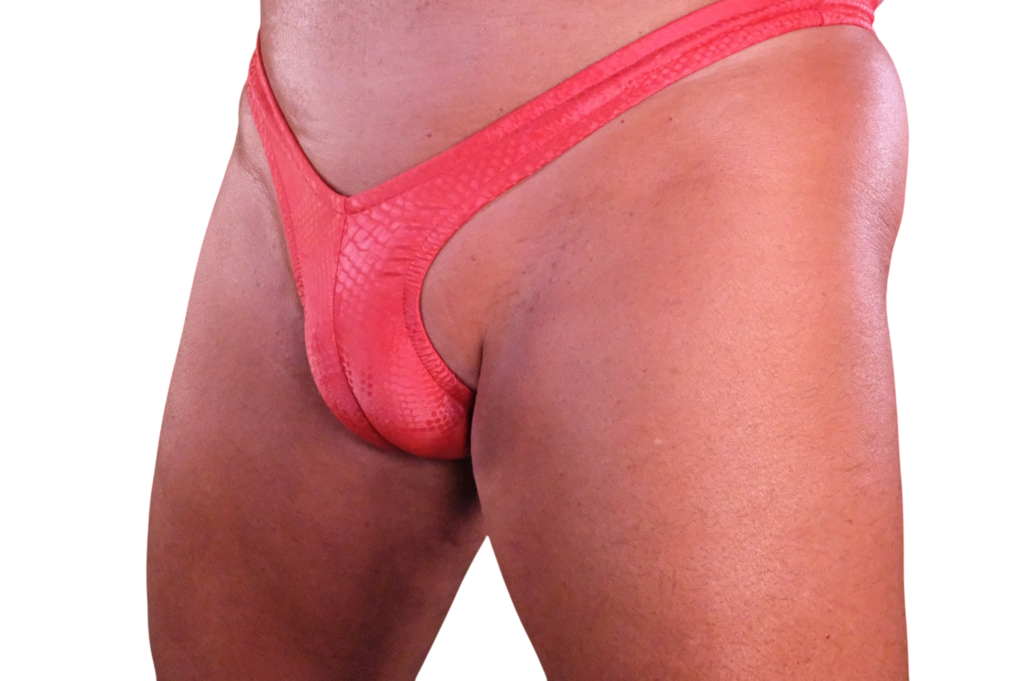
Men Who Want to Look Like They Have a Pussy: Feminization, MTF Swimwear, Femme Clips, and the Feminine Silhouette
For some feminine men, femboys, sissies, crossdressers, transfeminine people, and transgender women, changing clothing is only one part of creating a feminine appearance. They may love feminine hairstyles, makeup, lingerie, bikinis, leggings, and other traditionally feminine fashions, yet still feel that one feature interrupts the silhouette they are trying to create: the visible male genital bulge.
That has created growing interest in non-surgical feminization techniques designed to create the appearance of a vulva or a smooth feminine front.
Some people use traditional tucking. Others choose specially constructed MTF panties or swimsuits. Still others experiment with feminizing garments and accessories sometimes marketed as Femme Clips, feminizer clips, transformation clips, or similar names.
The motivations are extremely diverse. Someone may identify as a woman and want her clothing to better reflect her gender. Another person may identify as male but enjoy an intensely feminine presentation. Someone else may simply want to experiment with what their body would look like with a feminine silhouette.
For all of them, the fundamental attraction can be surprisingly simple:
They want to look in the mirror and see a feminine front rather than a conventional male bulge.
Wanting a Vagina Appearance Does Not Mean the Same Thing for Everyone
It is important to distinguish appearance from identity.
A man can enjoy creating the visual impression of female anatomy without identifying as a woman. A femboy can enjoy an extremely feminine silhouette while remaining comfortable identifying as male. A crossdresser might want the illusion only while dressed. A transfeminine person may experience it as an important part of gender expression.
For a transgender woman, eliminating the visible male bulge can have much greater personal significance.
These people may ultimately want similar clothing, but their reasons for wearing it can be completely different.
That diversity is one reason the broader category of feminizing underwear and swimwear has expanded so much.
From Hiding the Penis to Creating a Feminine Shape
Traditional tucking products were primarily concerned with one objective:
Make the front flat.
Modern feminizing fashions can take the concept further.
Instead of simply asking, “How can we hide the bulge?” designers can ask:
“What silhouette does the wearer actually want?”
Those are different design challenges.
A smooth-front garment minimizes anatomical definition. A sculpted or shaped front can attempt to create the external visual impression associated with a feminine pubic area. Some garments emphasize a subtle central contour, while others concentrate primarily on producing a smooth, rounded feminine profile beneath clothing.
Consequently, today’s wearer may have several aesthetic choices rather than simply “bulge” or “no bulge.”
Traditional Tucking
Tucking remains one of the best-known approaches to creating a flatter front.
A supportive garment or purpose-designed gaff can hold the anatomy in a position that reduces forward projection. This can make a substantial difference beneath leggings, dresses, panties, bodysuits, and swimwear.
However, not everyone wants to tuck.
Some people find conventional tucking inconvenient or uncomfortable. Others want a garment that creates a feminine appearance without requiring an elaborate process every time they get dressed.
That demand helped encourage development of specialized MTF transformation garments.
MTF Transformation Panties
MTF panties can be designed specifically around the problem of transforming a conventionally masculine front silhouette into a more feminine one.
Depending on the design, they may use compression, reinforced panels, shaping layers, specialized seams, or molded components.
The simplest designs concentrate on flattening.
More elaborate transformation panties attempt to produce a specifically feminine external appearance rather than merely removing the masculine one.
That distinction can make an enormous psychological difference for the wearer.
Looking down and seeing “nothing” is one experience.
Looking down and seeing a deliberately feminine silhouette can be another.
MTF Transformation Swimwear
Swimwear presents an even more interesting challenge because there may be very little clothing available to disguise the body’s shape.
A dress or skirt can conceal the entire genital region.
A tiny spandex bikini cannot.
Spandex follows practically every contour underneath it, which makes specially engineered MTF swimwear particularly useful for people seeking a feminine presentation at a beach or swimming pool.
Designs can include bikinis, thongs, one-piece swimsuits, Brazilian cuts, and other styles.
The objective may be a completely smooth front or a more visibly feminine contour.
For someone who wants to present femininely in swimwear, this can change the entire appearance of the swimsuit.
Why Tiny Bikinis Can Be Surprisingly Effective
It might seem logical that someone trying to disguise male anatomy would choose a swimsuit with lots of material.
That isn’t necessarily the case.
A well-designed small swimsuit can concentrate compression and shaping exactly where it is needed. Consequently, some feminizing swimwear uses surprisingly minimal bikini or thong constructions.
There is also an aesthetic reason.
If someone wants to wear the same tiny bikini fashions traditionally associated with women, being told that they need a large or bulky garment to accommodate their anatomy defeats part of the purpose.
The challenge for designers is therefore creating less visible garment while producing more transformation.
Femme Clips and Feminizer Accessories
Another category involves accessories commonly described by names such as Femme Clips, feminizer clips, transformation clips, or MTF clips.
Rather than relying entirely on compression fabric, these accessories are intended to reposition or manage external anatomy so that clothing worn over them can produce a more feminine appearance.
Their appeal is understandable.
Someone may already own favorite panties, bikinis, leggings, or other clothing and want an accessory that changes the underlying silhouette rather than buying an entirely separate wardrobe.
Designs and methods vary considerably, so these products should not all be assumed to function identically. Anything that places pressure on genital tissue needs to be appropriately sized and used according to its instructions. Pain, numbness, discoloration, broken skin, or impaired circulation are reasons to stop using the device.
The Appeal of Seeing a Feminine Front
The psychological element can be just as important as the physical transformation.
Imagine someone who has spent years wearing feminine clothing but always seeing a male bulge underneath it.
Then imagine putting on a transformation garment and seeing a smooth feminine silhouette for the first time.
For some people, that can make the entire outfit suddenly look different.
The bikini looks different.
The panties look different.
Leggings look different.
The person’s overall proportions may appear different to them because their attention is no longer immediately drawn to a traditionally masculine genital outline.
For someone exploring femininity, that can be a powerful experience.
Femboys and Feminine Men
Femboys illustrate particularly well why feminine genital presentation cannot automatically be equated with wanting to transition.
A feminine man may love being male while also enjoying an extremely feminine appearance.
He might wear women’s bikinis, panties, skirts, leggings, makeup, or traditionally feminine colors and hairstyles. A conventional male bulge might fit that presentation perfectly well.
But another femboy may prefer a completely smooth front.
Another may enjoy switching between the two.
This is fashion and gender expression rather than a rule about identity.
Sissies and Feminization
Within consensual adult feminization culture, some people use the term “sissy” to describe an intentionally exaggerated feminine persona.
For these wearers, transforming the genital silhouette can become another stage of feminization.
The transformation may involve lingerie, stockings, dresses, makeup, swimwear, or other feminine clothing, with a feminizing garment or accessory completing the overall appearance.
Some people treat this playfully or erotically within their private lives. Others incorporate elements of the aesthetic into everyday fashion.
Again, the important point is that the clothing does not determine the person’s gender identity.
Trans Women and the Importance of Choice
For some pre-operative or non-operative transgender women, feminizing garments have a more practical everyday purpose.
A woman may want to wear leggings without a prominent bulge.
She may want to wear a bikini at the beach.
She may simply want underwear that creates a silhouette she finds more consistent with her body image.
Surgery is not the only reason someone’s genital appearance might change, and not every transgender woman wants genital surgery.
Non-surgical presentation options therefore provide valuable choices.
Someone can choose a natural profile one day, a smooth tucked appearance another day, and a shaped feminine garment when she wants a stronger transformation effect.
Smooth Front Versus Vulva-Like Appearance
These two goals are sometimes discussed as though they are identical, but they are not.
A smooth-front design primarily eliminates projection.
A vulva-like or feminine-contour design attempts to add visual shaping associated with female external anatomy.
Some people strongly prefer the smooth approach because it is subtle.
Others specifically want the visual transformation.
The best choice depends upon what the wearer wants to see and what type of clothing will be worn over it.
Under ordinary clothing, subtle shaping may be enough.
Under extremely tight spandex, every contour becomes more noticeable, making construction much more important.
Spandex Makes Transformation Particularly Visible
Spandex is perhaps the ultimate test of a feminizing garment.
Loose clothing can conceal what is underneath.
Spandex reveals it.
That is precisely why MTF transformation swimwear, panties, leggings, and similar garments can be so interesting. The garment isn’t simply hiding anatomy beneath layers of fabric. It is attempting to change the visible silhouette itself.
A successful transformation can therefore remain apparent even when the wearer is dressed in an extremely body-conscious swimsuit.
Feminization Without Permanent Change
One of the biggest attractions of clothing-based transformation is reversibility.
Someone can experiment.
A person wondering how they would feel with a feminine genital silhouette can experience that appearance without making a permanent anatomical change.
They can wear a transformation bikini to the beach, feminine underwear privately, or a smooth-front garment beneath everyday clothing.
Then they can return to their natural presentation whenever they choose.
For people exploring gender expression, that flexibility can be extremely valuable.
The Mirror Can Be the Most Important Part
Not every transformation is intended for other people.
Sometimes the most important audience is the wearer.
Someone may put on an MTF bikini, look into the mirror, and simply enjoy seeing a feminine silhouette.
For a transgender woman, that appearance may feel affirming.
For a femboy, it might complete a favorite feminine outfit.
For a crossdresser, it may make the transformation feel more convincing.
For a feminine man, it could simply be another way to explore how dramatically clothing can change the body’s presentation.
There doesn’t have to be one universal explanation.
There Is No Single Correct Feminine Body
It is equally important not to turn feminization into another rigid beauty standard.
Women have enormous anatomical variation. There is no single “correct” vulva shape, just as there is no single correct breast size, hip measurement, or body type.
Transformation clothing creates an aesthetic approximation, not a definition of what a woman’s body is supposed to look like.
Likewise, transgender women do not need to conceal or transform their genitals to be women, and feminine men do not need a flat front to be feminine.
These products are options.
That is what makes them useful.
A New Generation of Feminizing Fashion
The evolution from ordinary tucking garments to sophisticated MTF swimwear, transformation panties, feminizing accessories, and Femme Clips represents a larger change in fashion.
People increasingly want clothing to do more than cover their bodies.
They want clothing that helps them choose how their bodies are presented.
For some, that means emphasizing a male bulge.
For others, it means minimizing it.
And for a growing category of feminine wearers, it means creating the visual impression of a smooth or vulva-like feminine front.
Femboys, sissies, crossdressers, transfeminine people, transgender women, and feminine men may approach these products from very different directions, but they share something important: the freedom to experiment with presentation.
A person does not necessarily need surgery to discover what a different silhouette looks or feels like. Through specialized MTF swimwear, transformation panties, tucking garments, feminizers, and Femme Clip-style accessories, a temporary feminine presentation can be created through clothing and styling.
For someone who has always wondered, “What would I look like without a male bulge?” or “What would I look like with a feminine front?”, today’s expanding range of feminizing fashion provides more ways than ever to explore the answer.