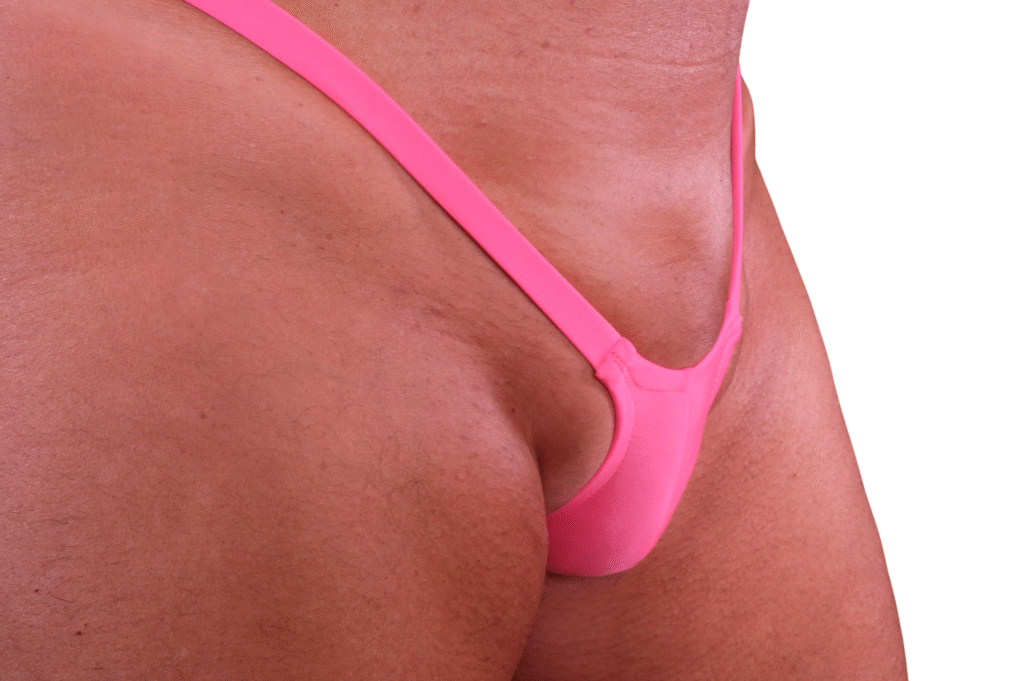
Men Who Want a Vagina But Want to Keep Their Penis
Feeling “fully feminized” without surgery using MTF-style suits, feminizers, and styling tricks
There’s a real (and more common than people think) desire some men have: I want to feel like I have a vagina—or at least look like I do in a swimsuit, lingerie, tight leggings, or even just under everyday clothes—without giving up having a penis.
For some, it’s about sexuality. For others, it’s about gender expression, comfort, fantasy, aesthetics, or a private sense of self that feels more “right” with a smooth, feminine front. And for many, it’s not a permanent identity shift—it’s a mode they want to access on demand.
The good news is: modern MTF-style garments and “feminizer” designs can create a surprisingly convincing “vulva-like” look (often called a camel-toe illusion) without surgery—and sometimes without even tucking.
This article breaks down the why, the how, and the options, plus what to watch for so it stays comfortable and safe.
1) Why someone would want this (without wanting surgery)
People arrive here from different places, and it helps to name the most common motivations:
- Feminine embodiment: wanting to experience a feminine silhouette and “front” that matches the rest of a feminized look.
- Aesthetic preference: disliking bulge outlines in tight clothes or swimwear.
- Roleplay / erotic identity: enjoying the feeling of being “made” female or appearing female in a way that’s visual and physical.
- Gender exploration: experimenting with presentation without medical transition.
- Practical stealth: wanting a smooth front for public settings (beach/pool) without the anxiety of “showing.”
None of these requires a single label. The important part is that you’re chasing a specific sensation and look—and garments can deliver that.
2) What “MTF-style suits” and “feminizers” actually do
Most feminizing swimwear/underwear designs rely on one (or more) of these mechanisms:
A) Compression + shaping (the “flat front” approach)
These use high-tension stretch fabric, strategic seams, and paneling to:
- reduce the appearance of a bulge
- pull everything closer to the body
- create a smoother front
This can work with minimal or no tucking, depending on anatomy and the cut.
B) Contour illusion (the “vulva shape” approach)
Some designs go beyond flattening and aim to create a vagina-like contour:
- a central seam or ruched front to suggest a cleft
- curved panels that mimic labia lines
- extra front layering that sculpts a “soft triangle” appearance
This is the “camel-toe feminizer” concept—visually it reads more feminine even if you still have everything intact.
C) Tucking support (the “maximum stealth” approach)
Certain cuts are built to hold a tuck in place more reliably:
- narrower gusset geometry
- stronger front lining
- higher side tension to stop shifting
- waistband placement that keeps everything locked
This is the most “no-bulge” route, but also the one that demands the most comfort and safety awareness.
D) Padding or prosthetic shaping (the “external vulva” approach)
Some people prefer adding a vulva shape rather than forcing anatomy into a new position:
- soft vulva pads or silicone-style inserts
- foam “mound” shapers that create a feminine silhouette under clothing
- garments that include a built-in shaped panel
This option can feel more “like I have one” because there’s a physical shape there, even if it’s external.
3) The main non-surgical options (from subtle to extreme)
Option 1: Feminizing cuts (no-tuck or light-tuck)
Best for: beginners, comfort, daily wear, people who want a suggestion of feminine shape rather than absolute flatness.
What it looks like:
- reduced bulge
- more “smooth triangle” front
- feminine silhouette from the cut itself
Where it shines:
- micro-bikinis, thong bikinis, high-leg briefs, and mini shorts designed with feminine geometry
Option 2: Camel-toe illusion “feminizer” designs
Best for: people who specifically want the visual cue of a vulva-like front.
What it looks like:
- intentional central contour (“cleft” effect)
- feminine front read even in skimpy suits
- can be very convincing at a glance
The feel:
- often more secure than you’d expect because the suit is meant to shape, not just cover
Option 3: True tucking swimwear/underwear
Best for: maximum smoothness, “stealth” looks, very tight outfits.
What it looks like:
- minimal-to-zero bulge
- clean front under thin fabrics
- the most “cis-female-like” silhouette
Reality check:
- comfort varies a lot by person
- requires more practice and breaks
- not ideal for long wear if it causes numbness or pain
Option 4: External vulva shaping (pads/inserts)
Best for: the “I want to feel like I have one” sensation without forcing anatomy into a tuck.
What it looks like:
- feminine mound and contour under fabric
- less reliance on compression
- can be used with lingerie, leggings, skirts, and some swim looks (depending on water-safe materials)
4) How to choose the right style for your goal
Ask yourself what you really mean by “feel like I have a vagina”:
If you want the visual effect (mirror/selfies/public)
- Look for front-contour seams, ruched center lines, shaped gussets, and strong lining.
- Favor fabrics with higher recovery (they snap back) rather than soft/stretchy-only.
If you want the body sensation (private embodied feeling)
- Consider external shaping or lined contour designs that give you a physical “there’s something different here” feel.
- Pair with feminine styling (see section 6) to complete the illusion.
If you want stealth under clothes
- Choose tucking-support underwear or high-compression shapewear.
- Seam placement matters: a clean, flat front panel hides best under leggings.
If you want to wear it for hours
- Comfort-first designs: wider gussets, softer seams, less extreme tension.
- Save “extreme micro” cuts for shorter sessions until you know your tolerance.
5) Comfort & safety (important, not optional)
Non-surgical feminizing can be amazing—but don’t suffer for the look.
Basic rules:
- Pain, numbness, coldness, or tingling = stop, adjust, take a break.
- Avoid all-day extreme compression at first. Build tolerance gradually.
- Use breathable, clean garments; keep skin dry to prevent irritation.
- If you tuck, be extra careful with prolonged wear, heat, and activity.
A practical approach:
- Start at home. Try 30–60 minutes.
- Move around, sit, stand, walk.
- If it shifts constantly, you need a better cut for your body (not “more force”).
6) The “complete feminization” effect (it’s more than the garment)
A feminizing suit/underwear works best when the rest of the presentation supports the illusion:
- Hair removal or grooming (whatever level feels right) helps the front read smoother.
- High-leg cuts lengthen the leg line and feminize the hip silhouette.
- Color and fabric choice matters: thicker, textured, or patterned fabrics hide outlines better than thin, glossy solids.
- Bottom + top balance: a more feminine top (triangle bikini, bralette, cropped tank) can make the overall read “female” even before anyone processes details.
- Posture and movement: small changes (hips relaxed, shoulders down, softer stance) often create a bigger “feminized” impression than any single garment.
7) The emotional side: why this can feel powerful
For many men, this isn’t just “wearing a sexy suit.” It can feel like:
- a private transformation
- a break from masculinity pressures
- a body-image relief (no bulge anxiety)
- a sensual “alignment” that’s hard to explain until experienced
And it can be temporary and still meaningful. You don’t need surgery—or a permanent identity shift—for the experience to be real and satisfying.
8) A simple starter roadmap
If you want a practical way to explore without overthinking:
- Start with a feminizing-cut bikini brief or thong (no-tuck friendly).
- Try a camel-toe illusion/feminizer design next for the visual “vulva read.”
- If you want maximum smoothness, experiment with tucking support—short sessions first.
- If the embodied feeling is the key, test external shaping (pads/inserts) with lingerie or leggings.