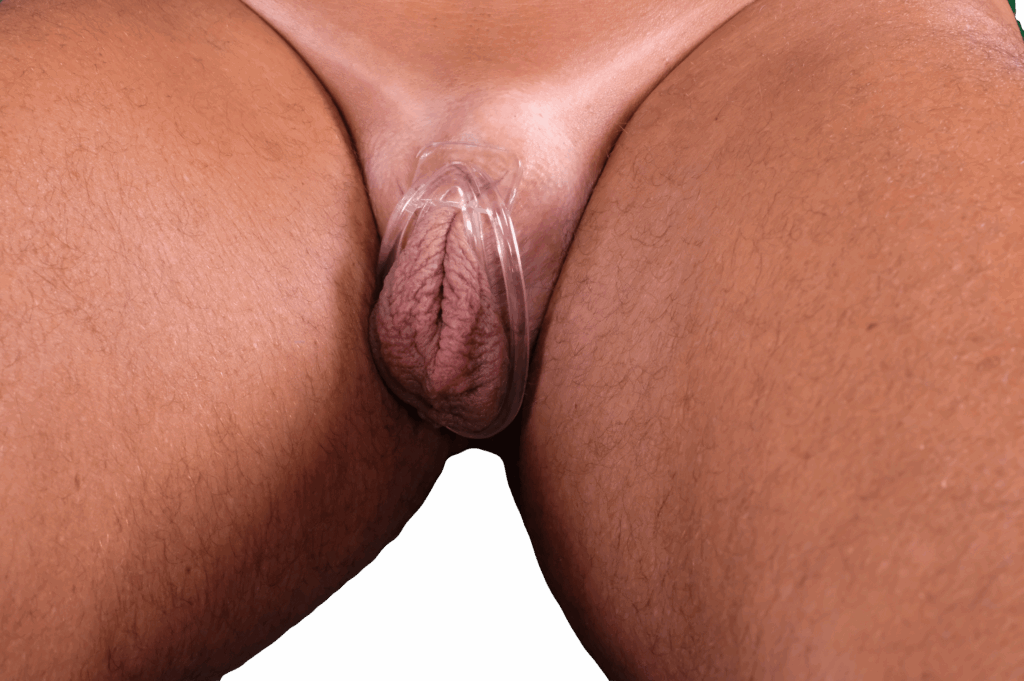
Understanding Transgender Vagina & MTF Transformation
For transgender women (male-to-female, or MTF), aligning physical appearance with gender identity can involve a range of approaches—from non-surgical presentation techniques to full surgical transition. These options exist along a spectrum, allowing individuals to choose what best fits their goals, comfort level, and circumstances.
Part 1: Non-Surgical Feminization
Creating the Appearance of a Vagina
Many transgender women—especially those who are pre-op or non-op—use clothing, underwear, and specialized garments to create a smooth, feminine front profile often referred to as a “flat front” or “camel toe” appearance.
1. Tucking Basics
Tucking is the most common technique used to conceal male genitalia.
How it works:
- The testicles are gently guided upward into the inguinal canals.
- The penis is positioned backward between the legs.
- Tight underwear or garments hold everything in place.
Important notes:
- Comfort and safety are critical—never force anything.
- Take breaks to avoid irritation or circulation issues.
- Hygiene is essential to prevent skin problems.
2. Specialized Panties & Underwear
Modern transgender-focused garments are designed specifically to create a feminine silhouette.
A. Tucking Panties
- Made with strong elastic or compression fabrics
- Flatten the front area securely
- Often resemble standard women’s underwear (bikini, thong, etc.)
B. Gaffs
- A specialized undergarment designed for stronger compression
- Typically worn under regular panties or swimwear
- Provides a very smooth, tight appearance
C. Compression Shapewear
- High-waisted designs help flatten the lower abdomen and groin
- Often combined with tucking techniques
3. “Camel Toe” and Feminizing Front Designs
Some garments are engineered to shape the front into a more vulva-like contour rather than simply flattening it.
These designs may include:
- Contoured front panels
- Reinforced seams to create a natural crease
- Stretch materials that mold the body into a more feminine shape
This category is often referred to as:
- Gender-affirming underwear
- Feminizing panties
- “Gender canceling” designs
4. Feminizers and Enhancing Products
“Feminizers” refer to products that enhance feminine appearance without surgery.
A. Silicone Inserts or Forms
- Can be used externally to simulate anatomy
- Typically used more for padding or shaping than realism
B. Tight Spandex or Microfiber Designs
- Help compress and sculpt the area
- Often used in swimwear or lingerie
C. Adhesive or Molded Front Systems
- Less common but designed to create a more defined feminine look
- May mimic labial contours through shaping
5. Swimwear & Everyday Wear Considerations
For public settings (beach, gym, etc.), many transgender women choose:
- High-compression bikini bottoms
- Thicker fabric for discretion
- Dark colors or patterns to reduce visibility
Part 2: Psychological & Social Aspects
Non-surgical feminization is not just about appearance—it can:
- Reduce gender dysphoria
- Increase confidence in public settings
- Allow gradual exploration of identity
Many people use these methods long-term, while others see them as a step toward medical transition.
Part 3: Medical Transition Toward a Surgical Vagina
For those seeking permanent anatomical change, gender-affirming surgery (often called vaginoplasty) is an option.
Step 1: Psychological Assessment
Before surgery, most medical systems require:
- Evaluation by a licensed mental health professional
- Diagnosis of gender dysphoria
- Letters of support (often 1–2 depending on region)
Step 2: Hormone Replacement Therapy (HRT)
Typically involves:
- Estrogen to promote feminine secondary characteristics
- Anti-androgens to reduce testosterone
Effects include:
- Breast development
- Softer skin
- Reduced muscle mass
- Emotional and libido changes
HRT is often required for at least 6–12 months before surgery.
Step 3: Hair Removal
Permanent hair removal (laser or electrolysis) is usually required in the genital area prior to surgery to prevent internal hair growth post-operation.
Step 4: Living as One’s Gender (Real-Life Experience)
Some guidelines recommend:
- Living full-time as a woman for a period (often 1 year)
- Demonstrating social transition readiness
Step 5: Vaginoplasty Surgery
The most common procedure is penile inversion vaginoplasty.
Key elements:
- Creation of a vaginal canal using penile skin
- Formation of labia and clitoris
- Preservation of nerve endings for sensation
Variations include:
- Peritoneal vaginoplasty (using abdominal lining)
- Zero-depth vulvoplasty (external only, no canal)
Step 6: Recovery and Aftercare
Recovery includes:
- Hospital stay (several days)
- Weeks of limited activity
- Dilation (critical step to maintain depth)
- Ongoing hygiene and care routines
Part 4: Comparing Non-Surgical vs Surgical Options
| Aspect | Non-Surgical | Surgical |
|---|---|---|
| Reversible | Yes | No |
| Cost | Low to moderate | High |
| Risk | Minimal | Moderate (medical risks) |
| Appearance | External only | Anatomical |
| Maintenance | Daily (tucking, garments) | Long-term care (dilation, hygiene) |
Part 5: Choosing the Right Path
There is no single “correct” way to transition.
Some individuals:
- Use only clothing and presentation
- Combine HRT with non-surgical methods
- Pursue full surgical transition
- Choose selective procedures (e.g., breast augmentation but no vaginoplasty)
The right choice depends on:
- Personal comfort
- Health considerations
- Financial resources
- Desired level of physical change
Final Thoughts
MTF transformation is a deeply personal journey that can range from subtle presentation changes to full surgical reconstruction. Modern underwear design, feminizing garments, and medical advancements have created more options than ever before.
Whether through:
- Skilled use of tucking and specialized panties
- Advanced shaping garments and feminizers
- Or surgical procedures like vaginoplasty
—each path allows transgender women to align their outward appearance with their inner identity in a way that feels authentic and empowering.